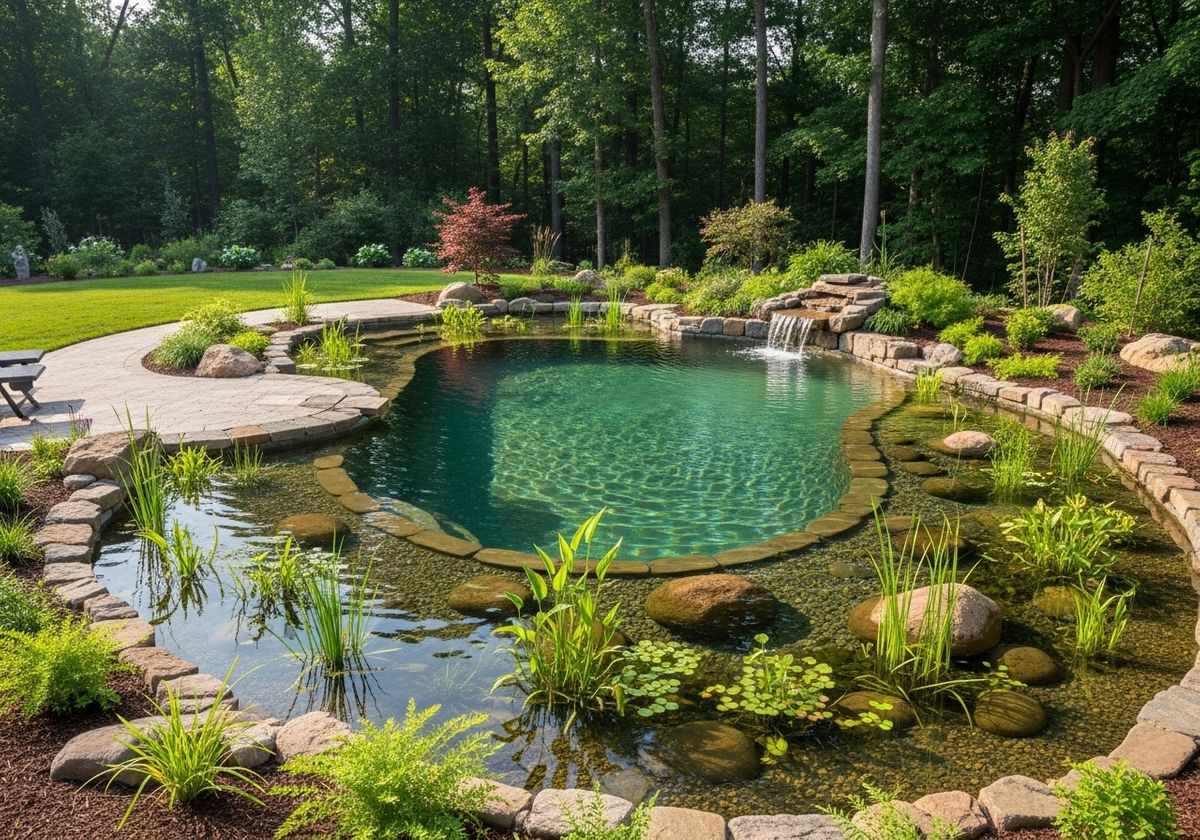
Imagine stepping into your backyard and being transported to a serene oasis, where the boundaries between nature and luxury blur. A natural swimming pool offers just that—a sustainable, chemical-free alternative to traditional pools that integrates seamlessly with your landscape. This blog post will guide you through the essentials of designing your own backyard paradise with a natural swimming pool.
Understanding Natural Swimming Pools
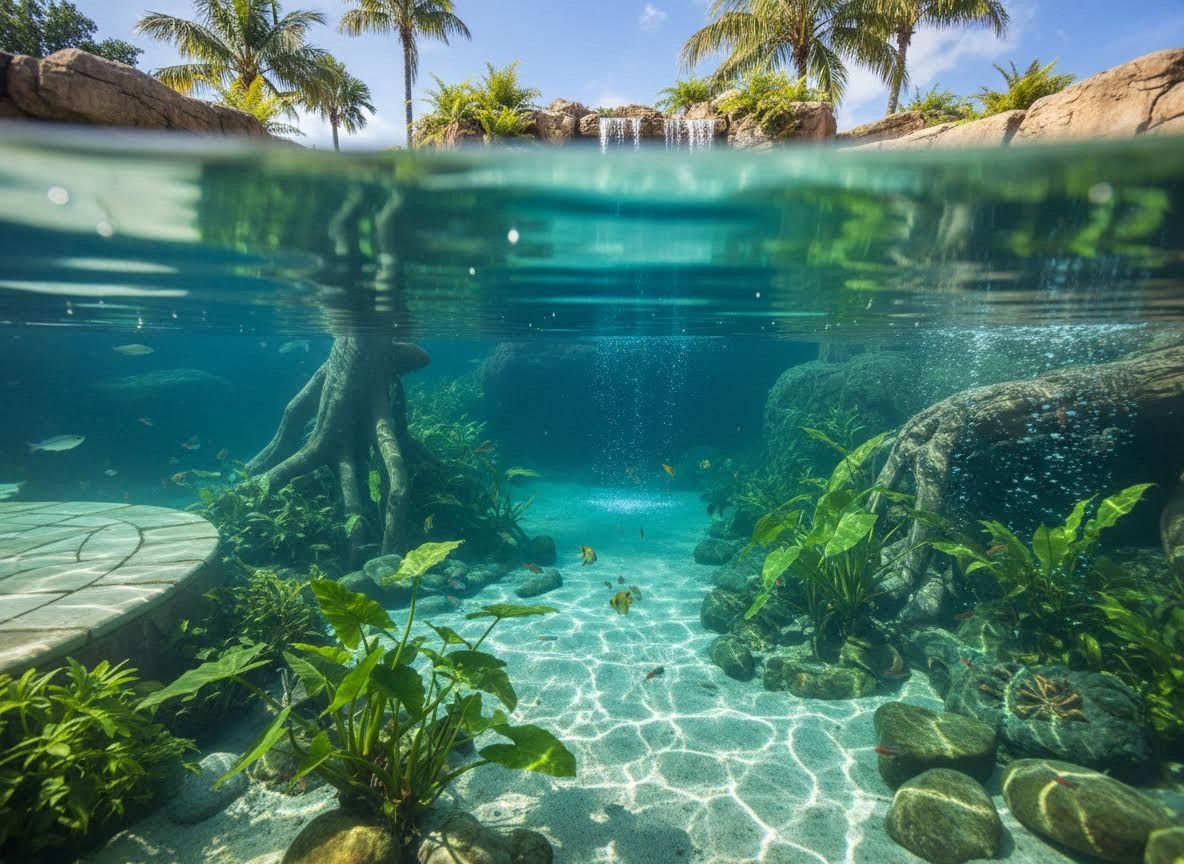
Natural swimming pools, or NSPs, are self-cleaning ecosystems that rely on aquatic plants and beneficial bacteria to filter and purify the water. Unlike conventional pools that use chlorine or salt, NSPs provide a swimming experience that is gentle on the skin and environmentally friendly. The basic components include a swimming zone and a regeneration zone, where plants filter and clean the water.
Key Considerations for Pool Design
Before diving into the design process, consider the following:
Size and Location: Determine the ideal size and location for your natural swimming pool. Consider factors such as sunlight exposure, proximity to trees, and available space.
Zoning: Plan the layout of your pool, including the swimming zone and regeneration zone. The regeneration zone typically occupies at least half the surface area of the swimming zone.
Depth: Decide on the appropriate depth for your pool, considering the needs of swimmers and the types of aquatic plants you plan to include.
Selecting the Right Materials
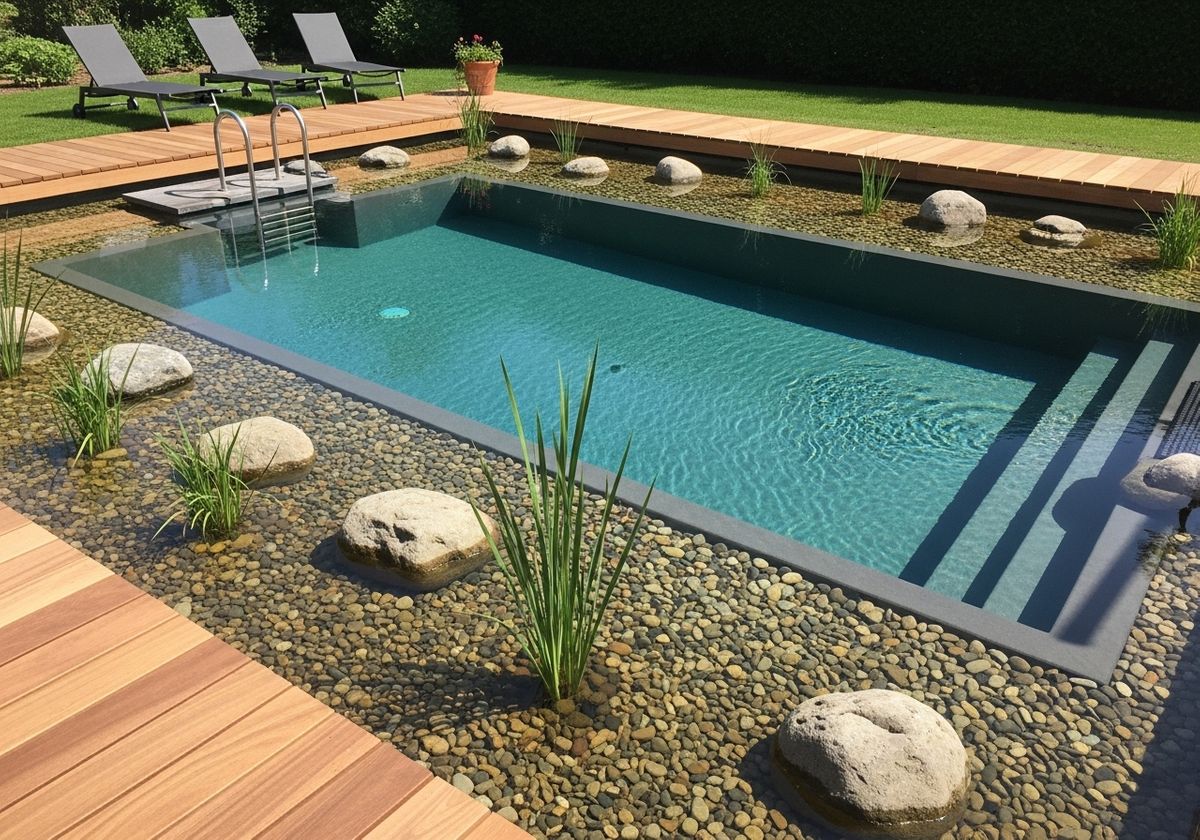
Choosing sustainable and eco-friendly materials is crucial for creating a natural swimming pool. Options include:
Liners: Opt for a durable, non-toxic liner material to prevent water leakage.
Rocks and Gravel: Use natural rocks and gravel to create a substrate for aquatic plants and provide habitat for beneficial microorganisms.
Wood: Incorporate sustainably sourced wood for decking, edging, and other structural elements.
Integrating Landscape Design
A natural swimming pool should blend seamlessly with its surroundings, creating a harmonious and inviting outdoor space. Consider these landscape design tips:
Native Plants: Choose native plants for the regeneration zone to support local ecosystems and minimize maintenance.
Water Features: Incorporate waterfalls, streams, or fountains to enhance the aesthetic appeal of your pool and promote water circulation.
Pathways: Design pathways that lead to and around your pool, creating a sense of exploration and discovery.
Maintenance and Upkeep
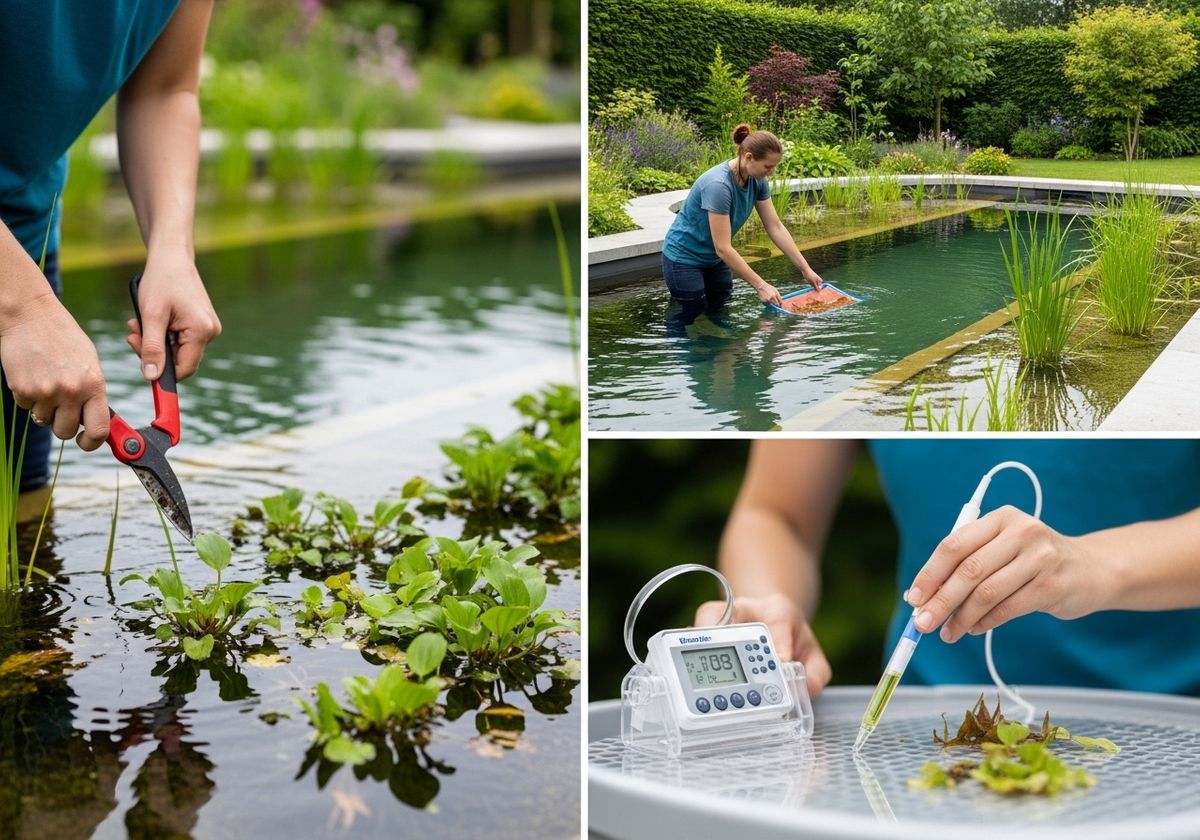
While natural swimming pools require less maintenance than traditional pools, some upkeep is necessary to keep the ecosystem balanced. This includes:
Plant Care: Regularly prune and fertilize aquatic plants to ensure optimal filtration.
Water Quality Monitoring: Test the water regularly to monitor pH levels and nutrient levels.
Debris Removal: Remove leaves and other debris from the pool to prevent buildup and maintain water clarity.
Designing a natural swimming pool is an investment in both your property and the environment. By carefully considering the design, materials, and landscaping, you can create a backyard paradise that provides years of enjoyment while promoting ecological harmony. If you're dreaming of a tranquil escape right outside your back door, consider how Robin's Nest Natural Swimming Pools can bring that dream to life. Whether you are interested in our DIY kits or full installations, our personalized solutions ensure your backyard becomes a haven of relaxation and natural beauty. Contact us today to explore how we can help you create a sustainable and stunning natural swimming pool just for you and your landscape and lifestyle.