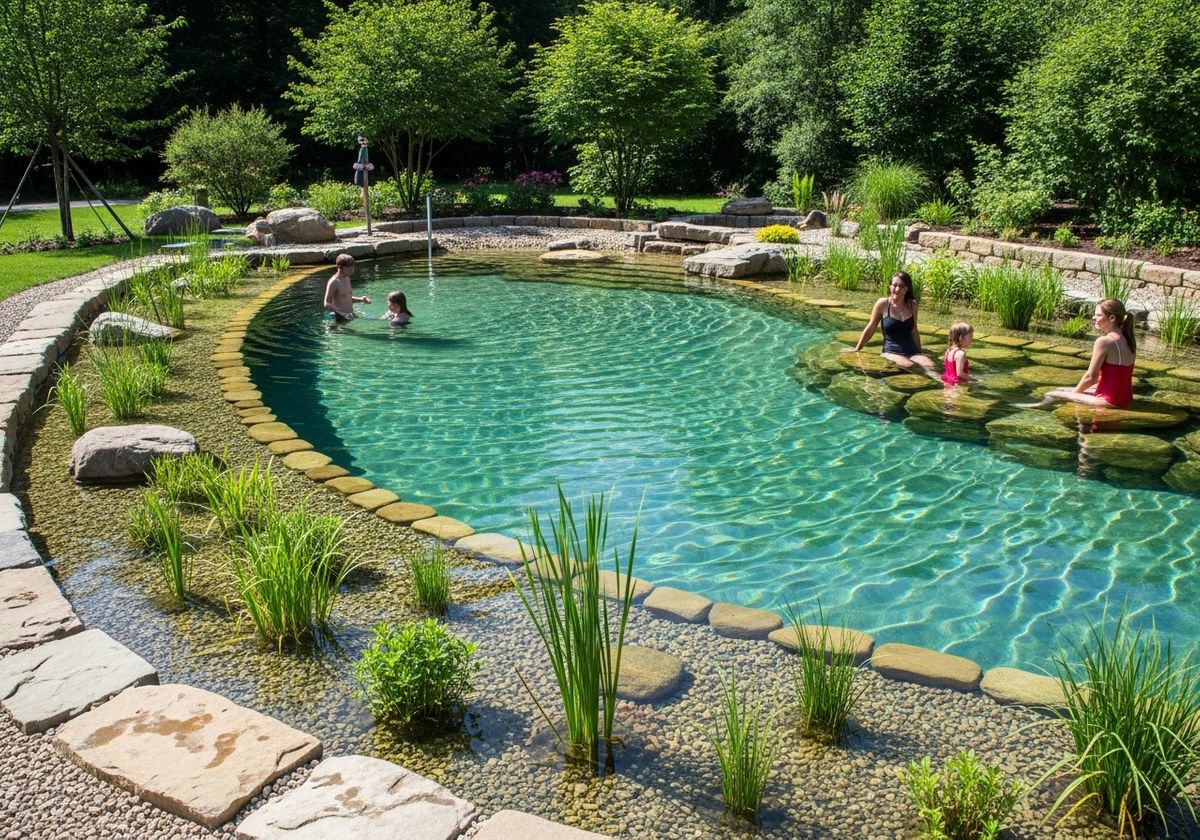
Embarking on the journey of creating your own natural swimming pool is an exciting endeavor. A natural swimming pool offers a unique blend of ecological harmony and aesthetic beauty, transforming your backyard into a personal oasis. But with various options available, how do you choose the right one for you? Let's dive in.
Understanding Your Needs and Space
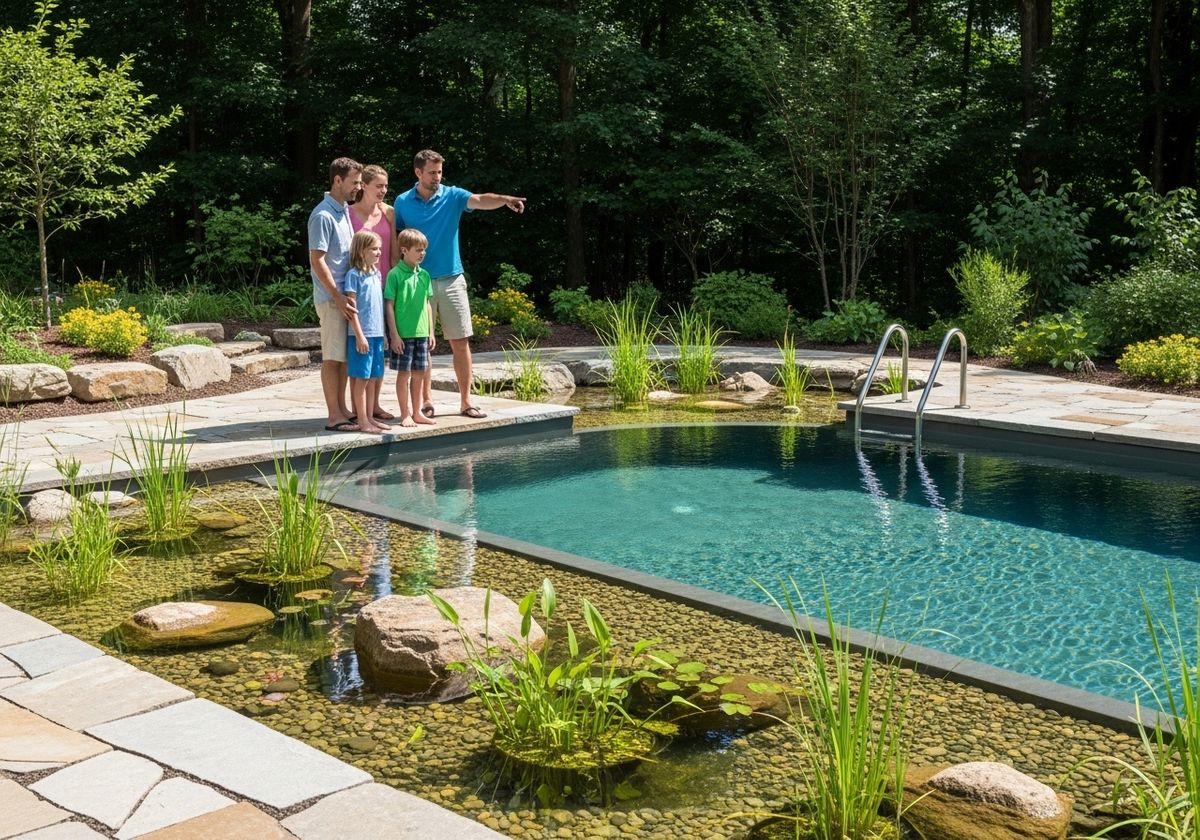
Before making any decisions, take a moment to assess your specific needs and the characteristics of your outdoor space. Consider the following questions:
What is the primary purpose of your pool? Is it for serious swimming, relaxation, family fun, or enhancing your landscape design?
How much space do you have available? Natural pools require a balance between swimming and regeneration zones.
What is your budget? Costs can vary significantly based on size, materials, and complexity.
What is your preferred aesthetic? Do you envision a formal, structured pool or a more organic, pond-like setting?
Key Considerations for Your Natural Swimming Pool
Size and Depth
The size of your natural swimming pool should align with its intended use and the available space. A larger pool is ideal for swimming laps, while a smaller pool is perfect for relaxation and wading. The depth should also be considered, with deeper areas for diving and shallower zones for children.
Design and Aesthetics
Natural swimming pools can be customized to match your personal style and landscape design. Options include:
Formal vs. Informal: Choose between clean lines and structured shapes or a more free-form, naturalistic design.
Materials: Select sustainable materials such as natural stone, gravel, and aquatic plants to create a visually appealing and eco-friendly environment.
Water Features: Incorporate waterfalls, streams, or fountains to add movement and enhance the sensory experience.
Filtration and Regeneration
The heart of a natural swimming pool lies in its natural filtration system. This involves creating a balance between the swimming area and a regeneration zone, where aquatic plants and beneficial microorganisms work together to purify the water.
Plant Selection: Choose a variety of plants that are effective at removing nutrients and pollutants from the water.
Gravel and Substrate: Use a combination of gravel, sand, and other substrates to support plant growth and provide a habitat for beneficial bacteria.
Maintenance
One of the great advantages of a natural swimming pool is its low maintenance requirements. However, some upkeep is still necessary to ensure optimal water quality and clarity.
Regular Cleaning: Remove debris and leaves from the pool and regeneration zones.
Plant Management: Trim and maintain aquatic plants to prevent overgrowth.
Water Testing: Periodically test the water to ensure proper pH levels and nutrient balance.
Professional Installation vs. DIY
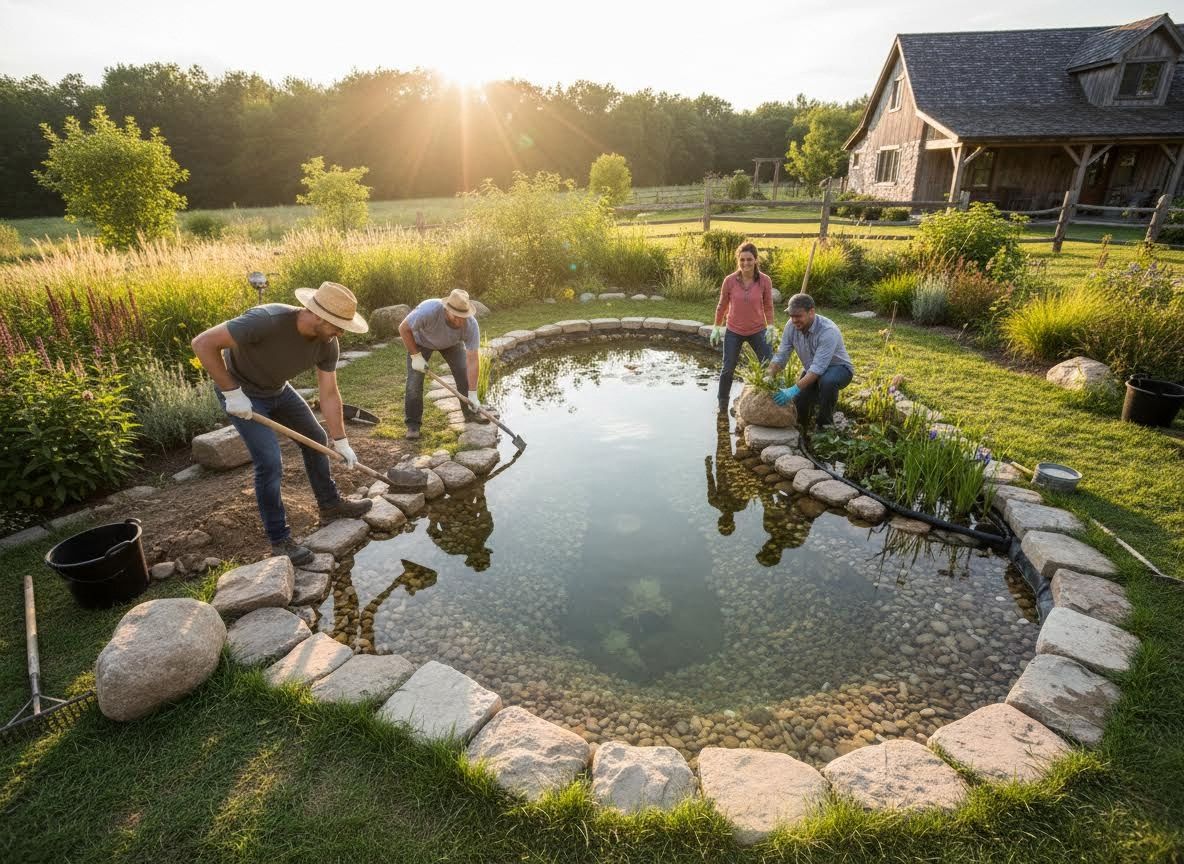
Depending on your skills and experience, you can choose between professional installation and a DIY approach. Professional pool contractors offer expertise in design, construction, and maintenance, ensuring a successful and long-lasting natural swimming pool. DIY kits are a more affordable option, but require a significant investment of time and effort.
Creating the perfect natural swimming pool involves careful planning and consideration. By assessing your needs, understanding the key elements of natural pool design, and choosing the right approach for installation and maintenance, you can create a stunning and sustainable backyard oasis.
Ready to transform your backyard into a natural paradise? Contact Robin's Nest Natural Swimming Pools to explore your options and discover how we can help you create the natural swimming pool of your dreams. From personalized pool design to expert installation, we're here to guide you every step of the way. Explore our website to learn more about our services and see examples of our past projects.