
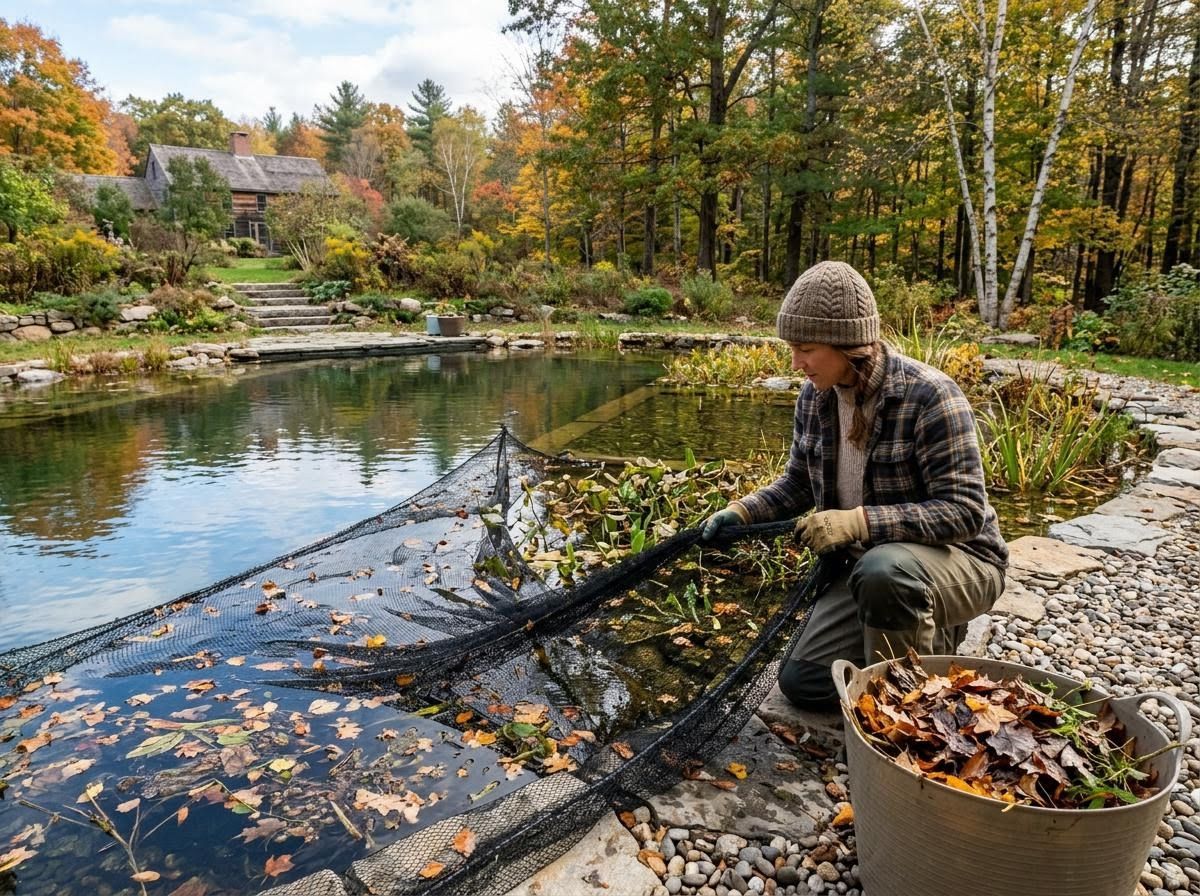
As the vibrant hues of autumn begin to fade and the crisp air of New England signals the approach of winter, it's time to prepare your garden swimming pond for the colder months ahead. Proper winterization is not merely a task; it’s an essential act of stewardship that ensures the longevity, health, and ecological balance of your aquatic haven, preserving its natural beauty for years to come. Robin’s Nest, with its decades of expertise in natural water features, understands the unique demands of this transitional period, especially in a region known for its harsh winters. This guide will walk you through the critical steps to protect your investment and the delicate ecosystem thriving within your natural swimming pool.
Understanding New England's Winter Challenge
New England winters present a unique set of challenges for any outdoor water feature, especially a natural swimming pool. Freezing temperatures, heavy snowfall, and prolonged periods of ice cover can stress aquatic plants, endanger fish, and damage vital equipment. Unlike traditional chlorinated pools, a garden swim pond relies on a delicate balance of biological processes to maintain its clarity and health. Disrupting this balance through inadequate winterization can lead to significant problems come spring, from unhealthy water to structural damage. Adopting a proactive approach, rooted in sustainable practices, is key to weathering the winter successfully.
Essential Preparations for Your Natural Swimming Pool
Before the first hard freeze, several key steps must be taken to prepare your garden swim pond. Begin by thoroughly cleaning the pond. Remove any fallen leaves, decaying plant matter, and excessive sludge from the bottom. This prevents organic material from decomposing under the ice, which can deplete oxygen levels and release harmful gases. Next, address your aquatic plants. Trim back dead or dying foliage from marginal plants and submerge hardy water lilies and other deeper-water plants to the deepest part of the pond, where temperatures are more stable. For tropical plants, bring them indoors or follow specific overwintering instructions.
Protecting Aquatic Life and Infrastructure
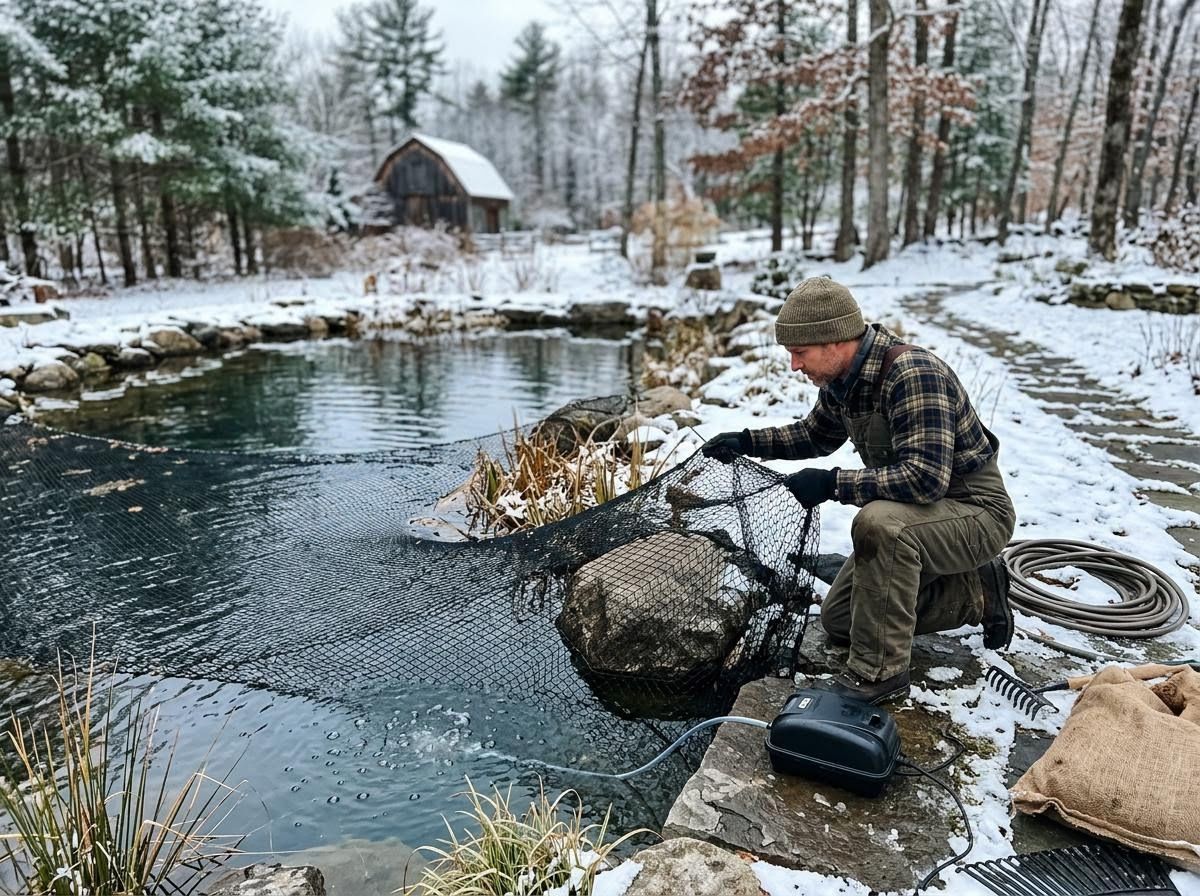
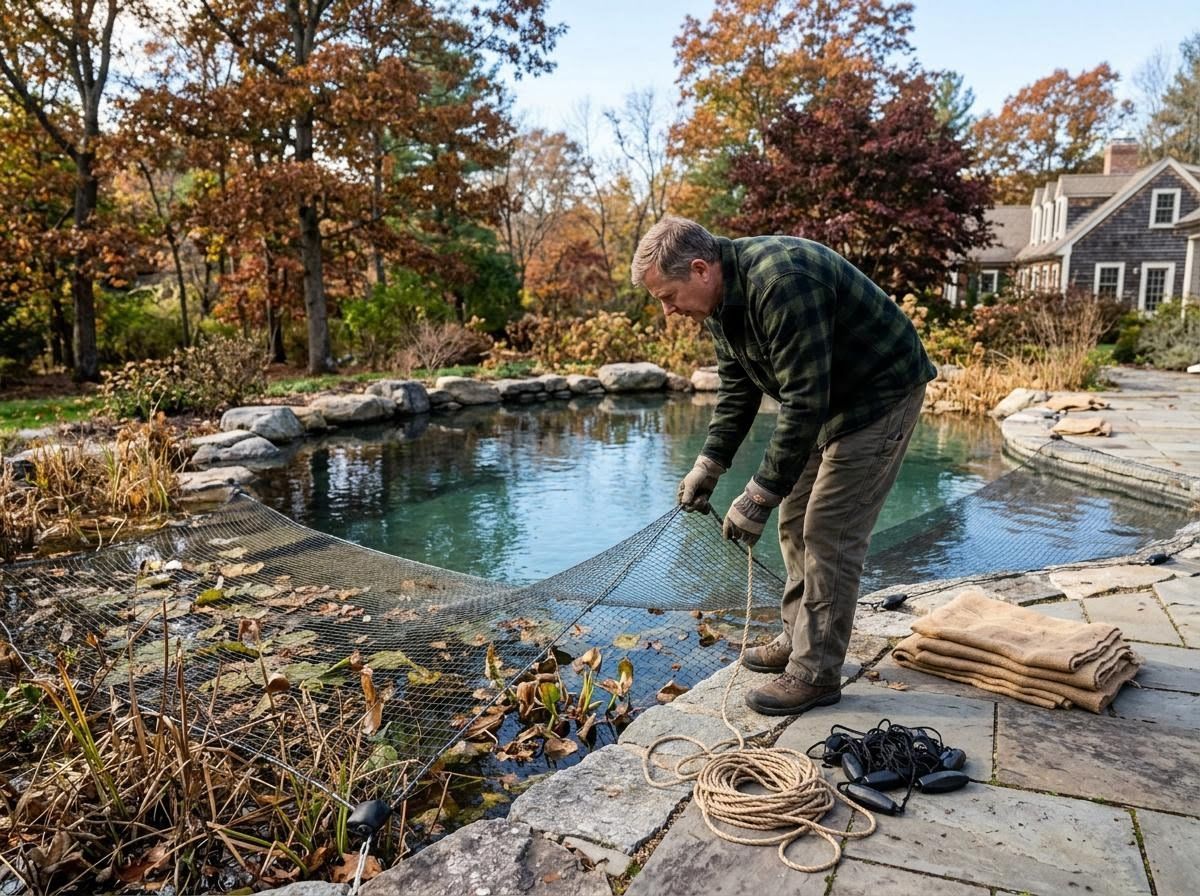
The well-being of your natural swimming pool's inhabitants and the integrity of its operational systems are paramount during winter. If you have fish, ensure they are receiving adequate nutrition before temperatures drop too low, then cease feeding as water temperatures fall below 50 degrees Fahrenheit (10 degrees Celsius) to prevent digestive issues. For equipment, remove pumps, filters, UV sterilizers, and skimmers, clean them thoroughly, and store them in a frost-free location. This prevents ice expansion from cracking casings or damaging internal components. Consider using a pond net during the fall to minimize leaf debris, and an aerator or de-icer can be invaluable for maintaining an open hole in the ice, allowing for gas exchange and preventing complete oxygen depletion for your fish.
Conclusion
Successfully winterizing your garden swim pond in New England is a testament to mindful planning and a commitment to ecological harmony, safeguarding your natural swimming pool for many seasons of enjoyment. By taking these thoughtful steps, you protect not only the aesthetic beauty of your landscape but also the vibrant ecosystem within. The effort invested now will reward you with a healthier, more resilient garden swim pond that awakens beautifully with the first signs of spring. For those considering designing a new natural swim pool or seeking advanced solutions for existing ones, understanding the seasonal care involved is a vital first step, and Robin’s Nest offers comprehensive design services and high-end kits built on decades of expertise. Don't wait to create the backyard you've always wanted—call us today to get your free, no-obligation estimate.