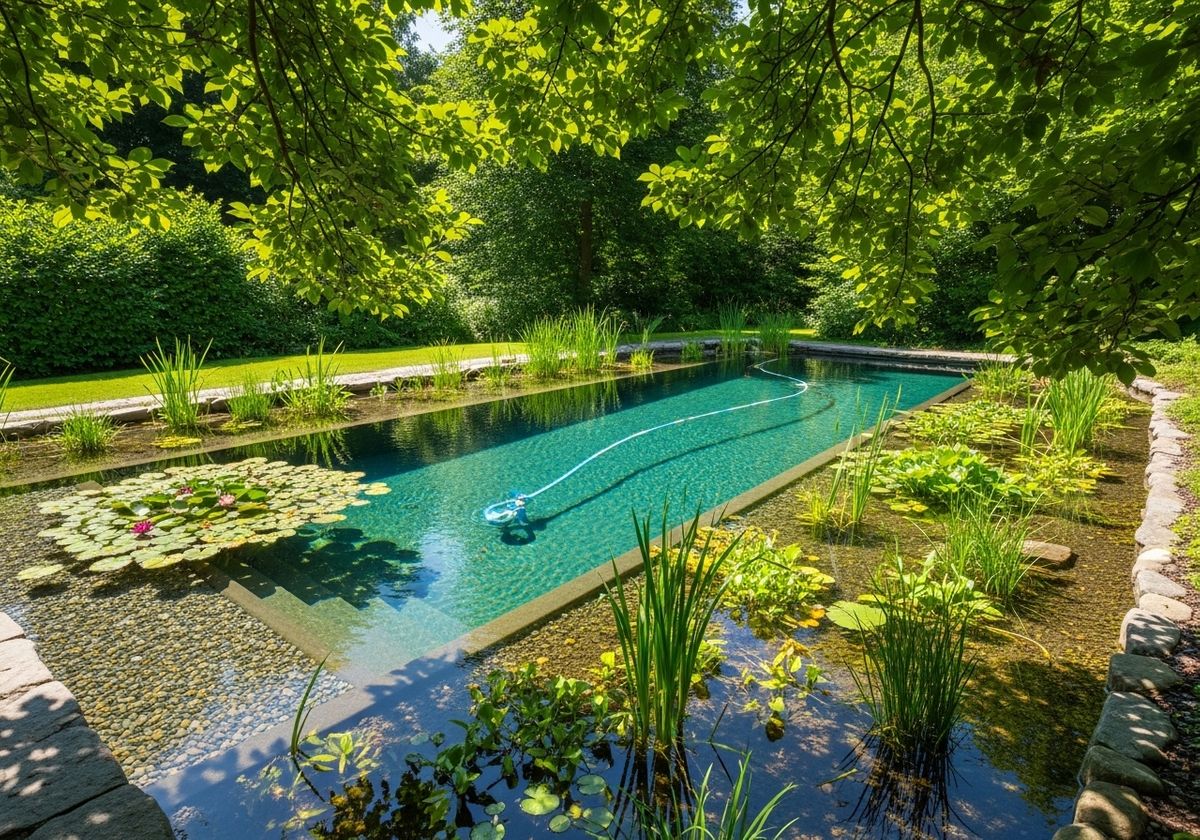
Embarking on the journey of owning a natural swimming pool is an exciting step towards sustainable living and creating a personal oasis. Unlike traditional pools, natural swimming pools rely on biological processes to maintain water quality, so their maintenance routine is quite different. Here’s a comprehensive guide to help you keep your natural swimming pool thriving, ensuring it remains a beautiful and healthy ecosystem for years to come.
Understanding the Ecosystem
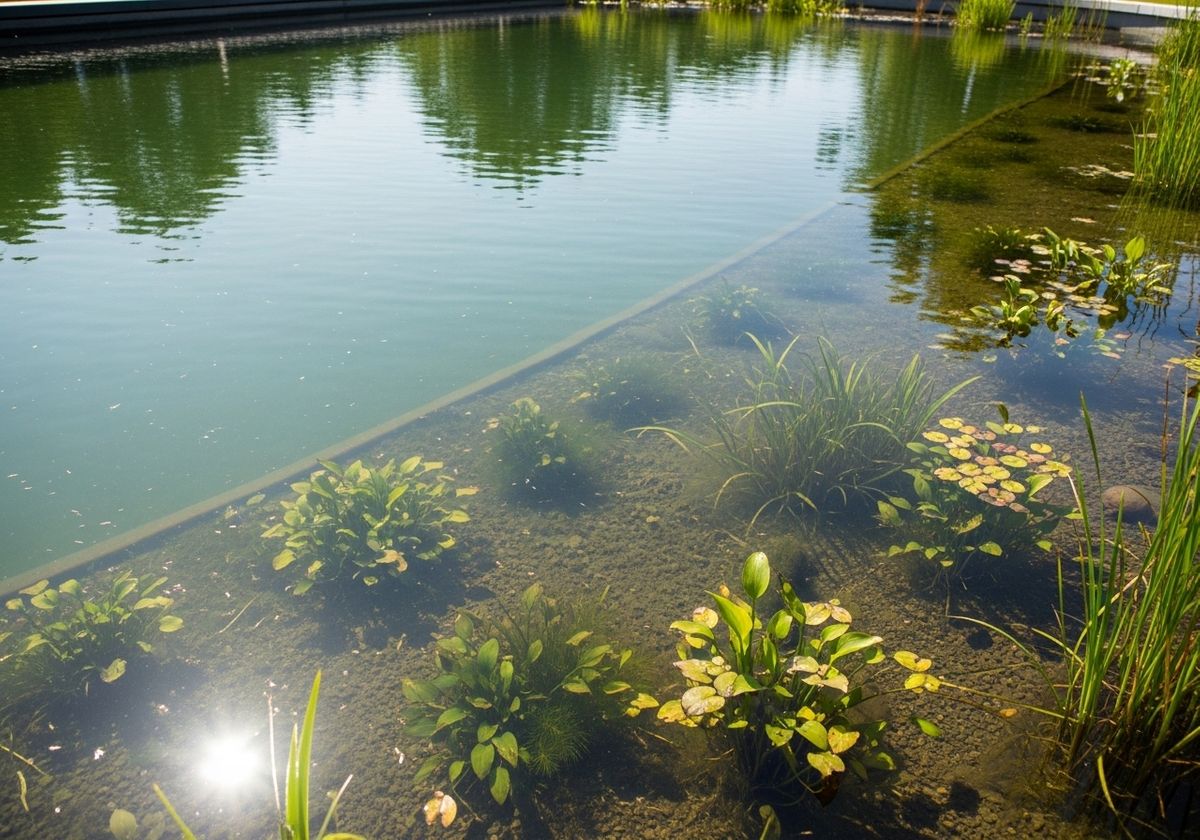
At the heart of a natural swimming pool is its ecosystem. This includes plants, beneficial bacteria, and sometimes small organisms that work together to filter and purify the water. Understanding this balance is key to effective maintenance. Regular observation will help you notice any changes in water clarity, plant health, or the presence of algae, allowing you to address issues early.
Regular Maintenance Tasks
Plant Care: Aquatic plants are essential for filtration and oxygenation. Trim them regularly to prevent overgrowth and remove any dead or decaying foliage. Different plants have different needs, so research the specific varieties in your pool.
Gravel Filter Cleaning: The gravel filter acts as a substrate for beneficial bacteria. Periodically, vacuum or backwash the gravel to remove accumulated sediment and debris. This prevents the filter from becoming clogged and ensures efficient water purification.
Water Circulation: Ensure proper water circulation to prevent stagnant areas. Pumps and aerators help maintain oxygen levels and distribute nutrients evenly throughout the pool. Check and clean these devices regularly to ensure they are functioning correctly.
Algae Control: While some algae are normal, excessive growth can cloud the water. Manual removal, along with ensuring a balance of nutrients and sunlight, can help control algae blooms. Consider introducing algae-eating organisms like snails or small fish.
Seasonal Adjustments
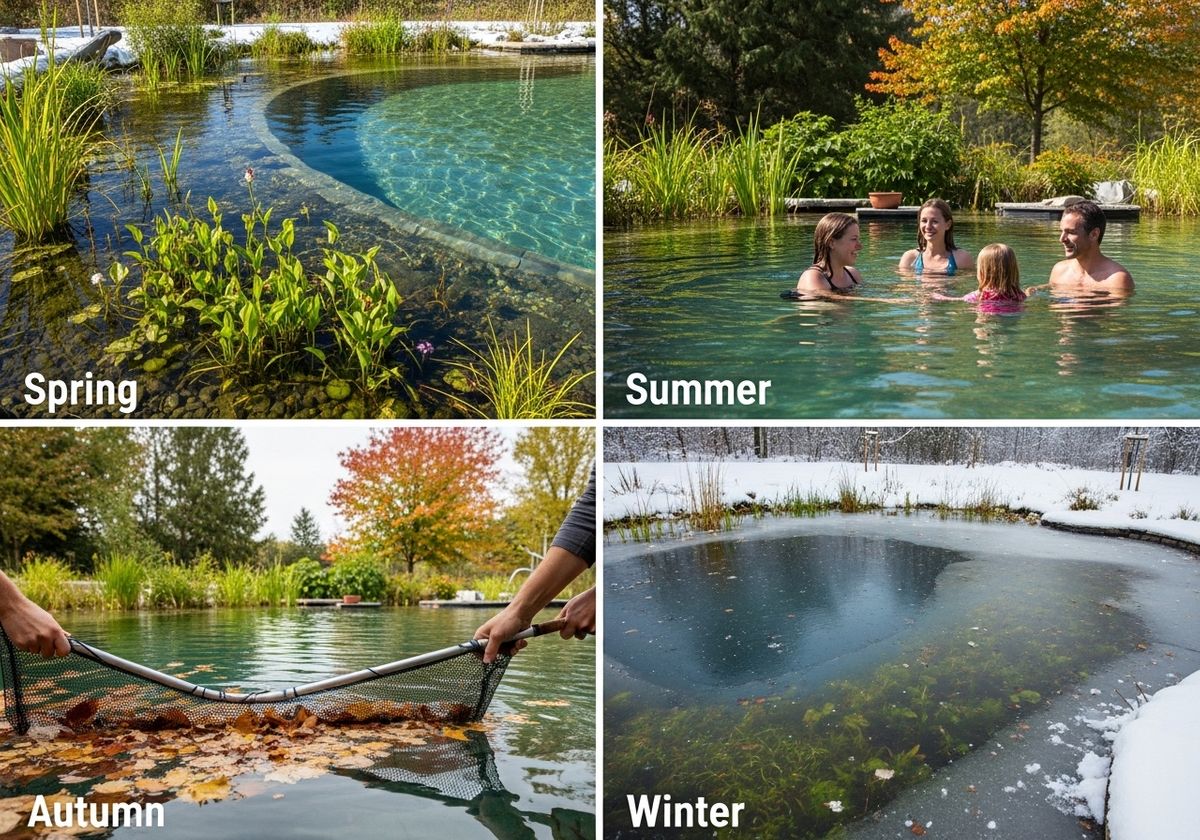
Spring: As the weather warms, plants will begin to grow more actively. Increase monitoring and adjust maintenance routines accordingly. Check for any winter damage to the pool structure and filtration system.
Summer: This is the peak season for pool use. Increase the frequency of plant trimming, gravel filter cleaning, and water quality testing. Monitor water levels and replenish as needed.
Autumn: As leaves fall, take extra care to remove debris from the pool to prevent it from decomposing and affecting water quality. Netting can be helpful during this season.
Winter: Depending on your climate, you may need to take steps to protect the pool from freezing. This could involve removing sensitive plants, draining certain areas, or using a pond heater to prevent ice from forming completely.
Water Quality Monitoring
Regularly test the water's pH, nutrient levels, and clarity. Aim for a balanced ecosystem where nutrients are efficiently processed by plants and bacteria. Adjustments can be made through plant selection, nutrient additives, or by modifying the filtration system.
Maintaining a natural swimming pool is an ongoing process that requires attention and care. By understanding the principles of ecological balance and following a consistent maintenance routine, you can enjoy a beautiful, healthy, and sustainable swimming environment. Considering integrating sustainable landscape design with your pool? Looking for reliable pond contractors for your water feature needs?. Contact us today to learn more about our pool design services and how we can help you create the backyard of your dreams, or explore our DIY kits to start your natural pool journey!