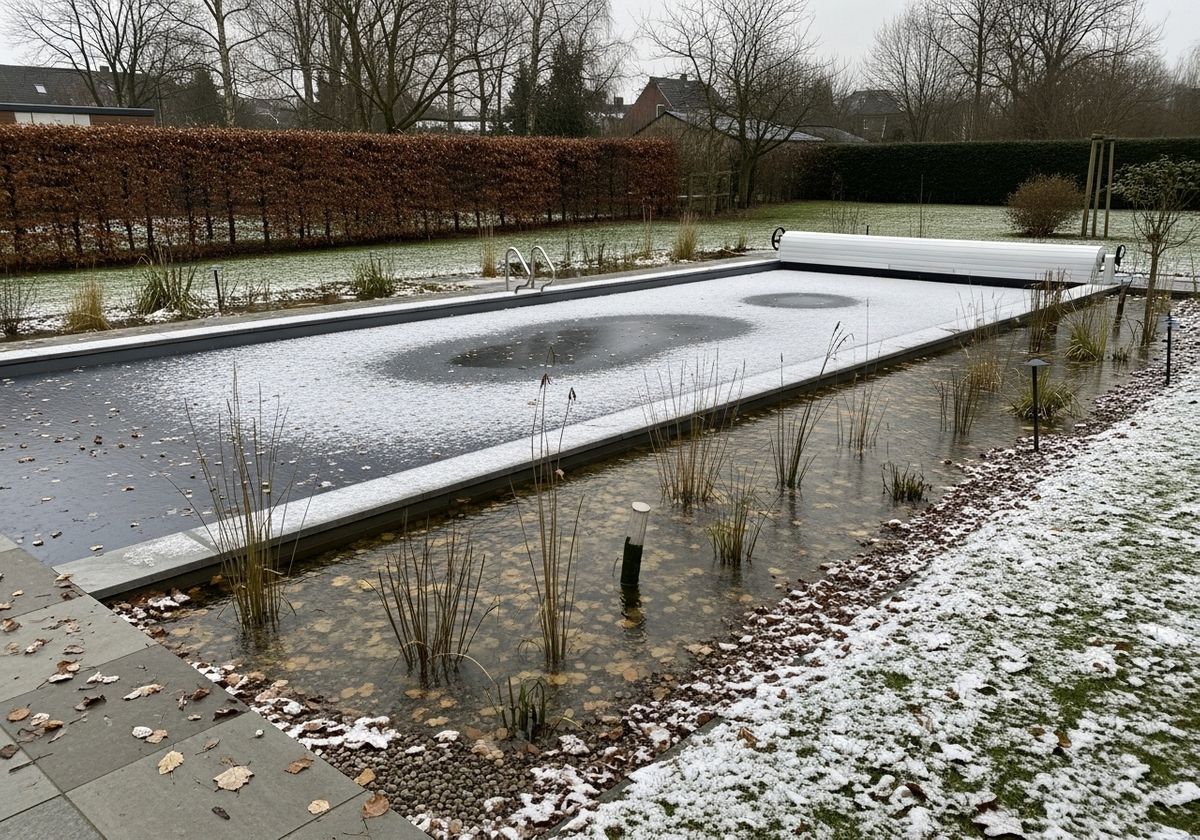
As the days grow shorter and the temperatures begin to drop, it's time to think about preparing your natural swimming pool for the winter months. Proper winterization ensures that your pool remains in excellent condition, ready for enjoyment when warmer weather returns. Taking the necessary steps now will protect your investment and simplify the spring opening process.
Lower the Water Level
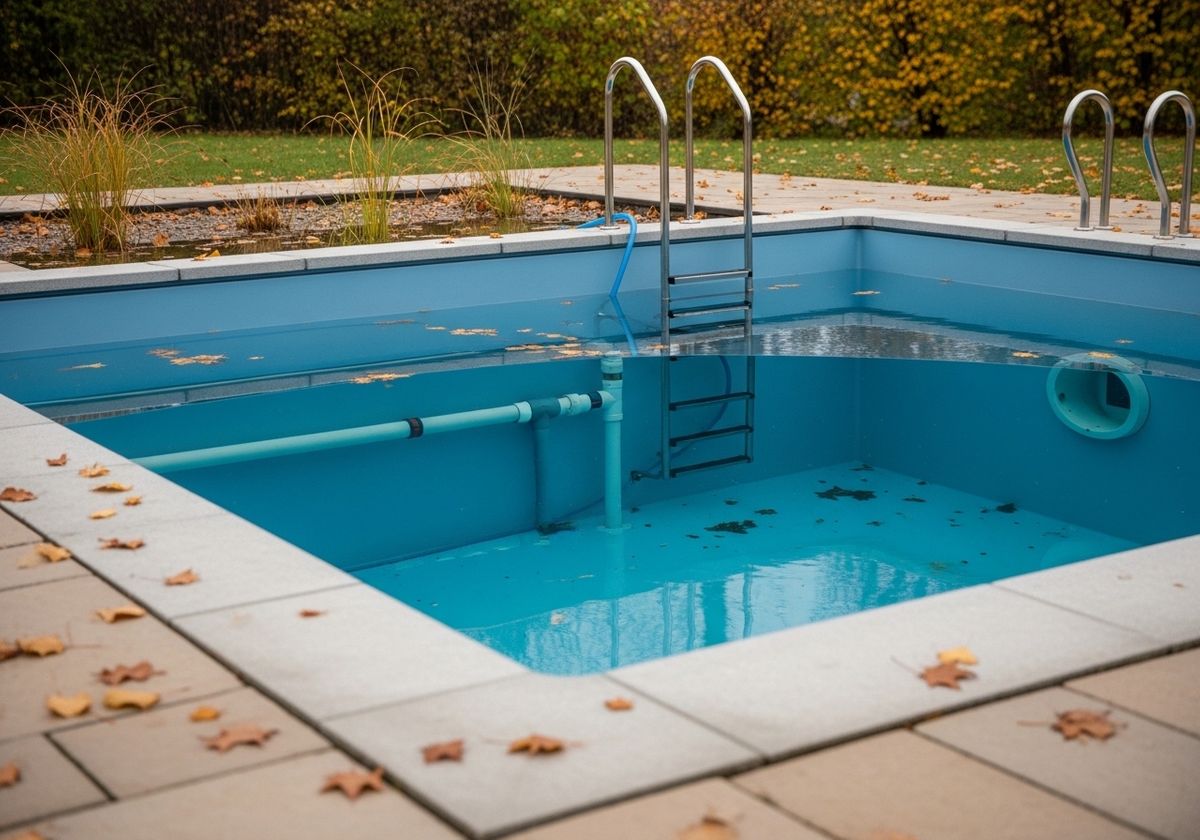
Reducing the water level is crucial to prevent damage from freezing. For natural swimming pools, it's generally recommended to lower the water level to about 12-18 inches below the lowest plumbing line. This prevents water from freezing in the pipes and causing cracks or breaks. Be sure to consult your pool's specific guidelines, as depths can vary depending on your pool design.
Clean the Pool
Before winter sets in, give your natural swimming pool a thorough cleaning. Remove any leaves, debris, and sediment from the bottom and sides of the pool. This prevents organic matter from decomposing over the winter, which can lead to algae growth and water quality issues in the spring. A clean pool is easier to open and maintain.
Protect the Ecosystem
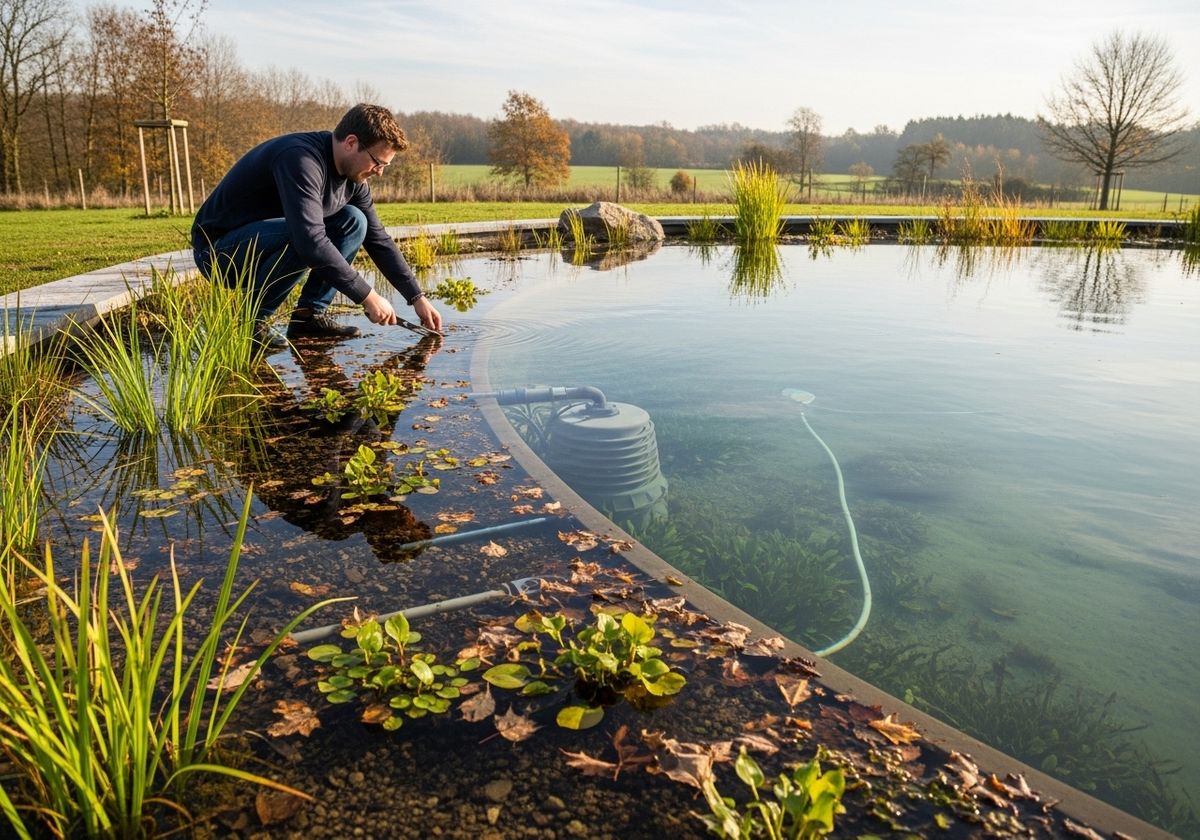
One of the unique aspects of natural swimming pools is their ecosystem. During winterization, consider the plants and beneficial organisms in your pool. Some plants may need to be trimmed or moved to a more sheltered area. Ensure that the biological filter is properly cleaned and maintained to prevent any build-up of organic material.
Inspect and Maintain Equipment
Check all equipment, including pumps, filters, and skimmers, for any signs of wear or damage. Clean the filter thoroughly and store it in a dry place. Disconnect and drain the pump to prevent freezing. Inspect the pool liner for tears or punctures and make any necessary repairs. Addressing these issues now can prevent more significant problems later.
Cover the Pool
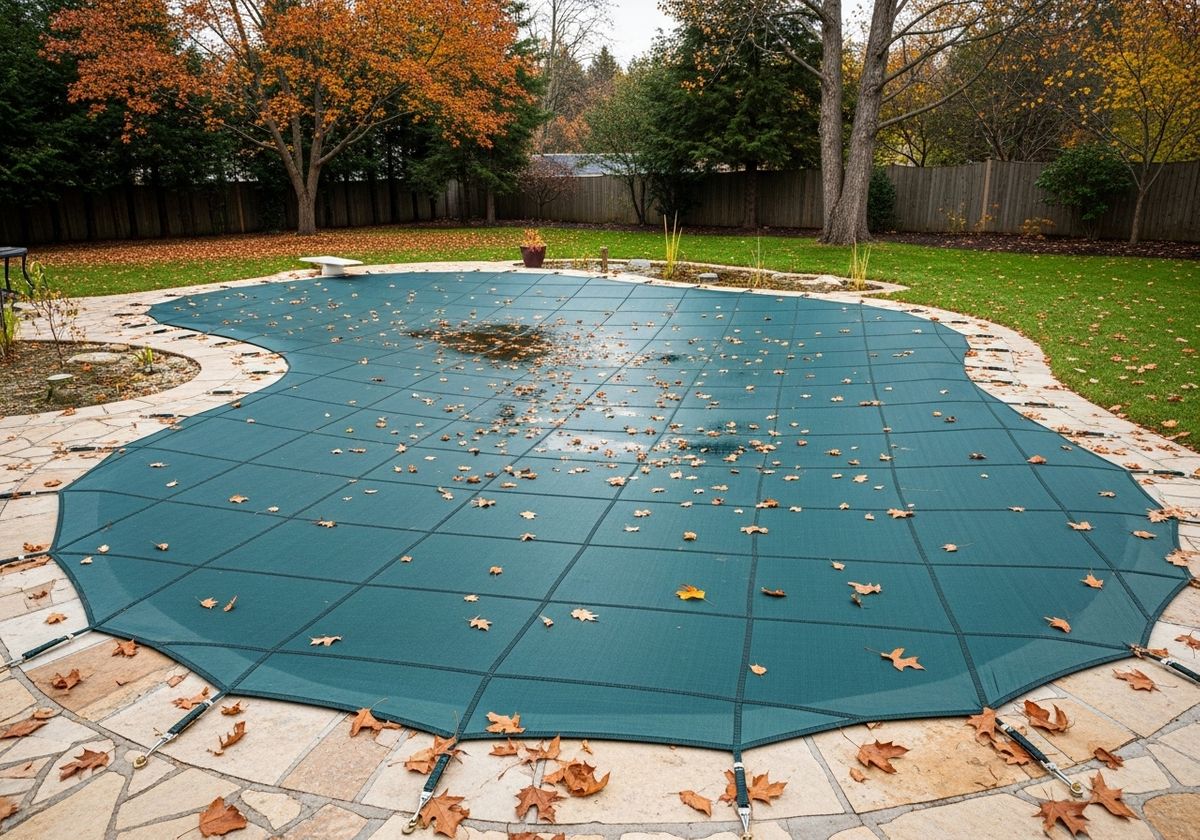
Covering your natural swimming pool is essential to protect it from the elements. A high-quality winter cover will keep out leaves, snow, and ice, preventing them from accumulating in the pool. Ensure the cover is securely fastened to prevent it from blowing away or sagging into the pool. Proper covering helps maintain water quality and reduces the amount of cleaning required in the spring.
Winterizing your natural swimming pool is a critical step in maintaining its health and longevity. By lowering the water level, cleaning the pool, protecting the ecosystem, inspecting equipment, and covering the pool, you can ensure that your pool remains in excellent condition throughout the winter months. Taking these steps now will make the spring opening process much smoother, allowing you to enjoy your pool sooner. At Robin's Nest Natural Swimming Pools, we understand the importance of preserving your backyard oasis. If you're considering enhancing your landscape with a natural swimming pool or need expert advice on pool design and maintenance, we're here to help. Contact us today to explore how we can transform your backyard into a sustainable paradise.